
Introduction
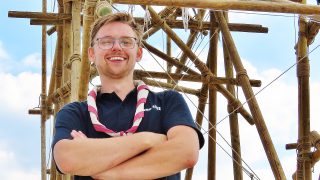
At a young age, I discovered my fascination with building and designing. At Scouting Jan Wandelaar in Zeewolde, I was introduced to pioneering, an activity in which wooden poles and ropes are connected using special knots to create sturdy structures.
For me, pioneering was an accessible way to start constructing structures. It immediately felt like a technical challenge: every knot functions like a bolted or welded joint in a steel structure. Building a swing or a camp kitchen quickly taught me that a solid design, proper connections, and teamwork are essential to create a structure that is both stable and safe.
The principles of structural stability I learned there only fully revealed their value later in my work at MechDes. I realized that in the transition from wood to steel, many construction principles are the same: a knot is essentially the equivalent of a bolted or welded joint in a steel structure. Sometimes you only recognize afterward how these experiences come together and shape you as an engineer.
For me, pioneering is more than a hobby; it is a training ground where creativity, technology, and teamwork come together. It forces you to think within the limits of materials and resources and to find smart solutions. The process of sketching, testing, and refining is something I recognize daily in my role as a mechanical engineer. This early introduction to hands-on engineering shaped my technical mindset from the start and remains a reference point for how I approach projects.
Larger projects, greater responsibilities
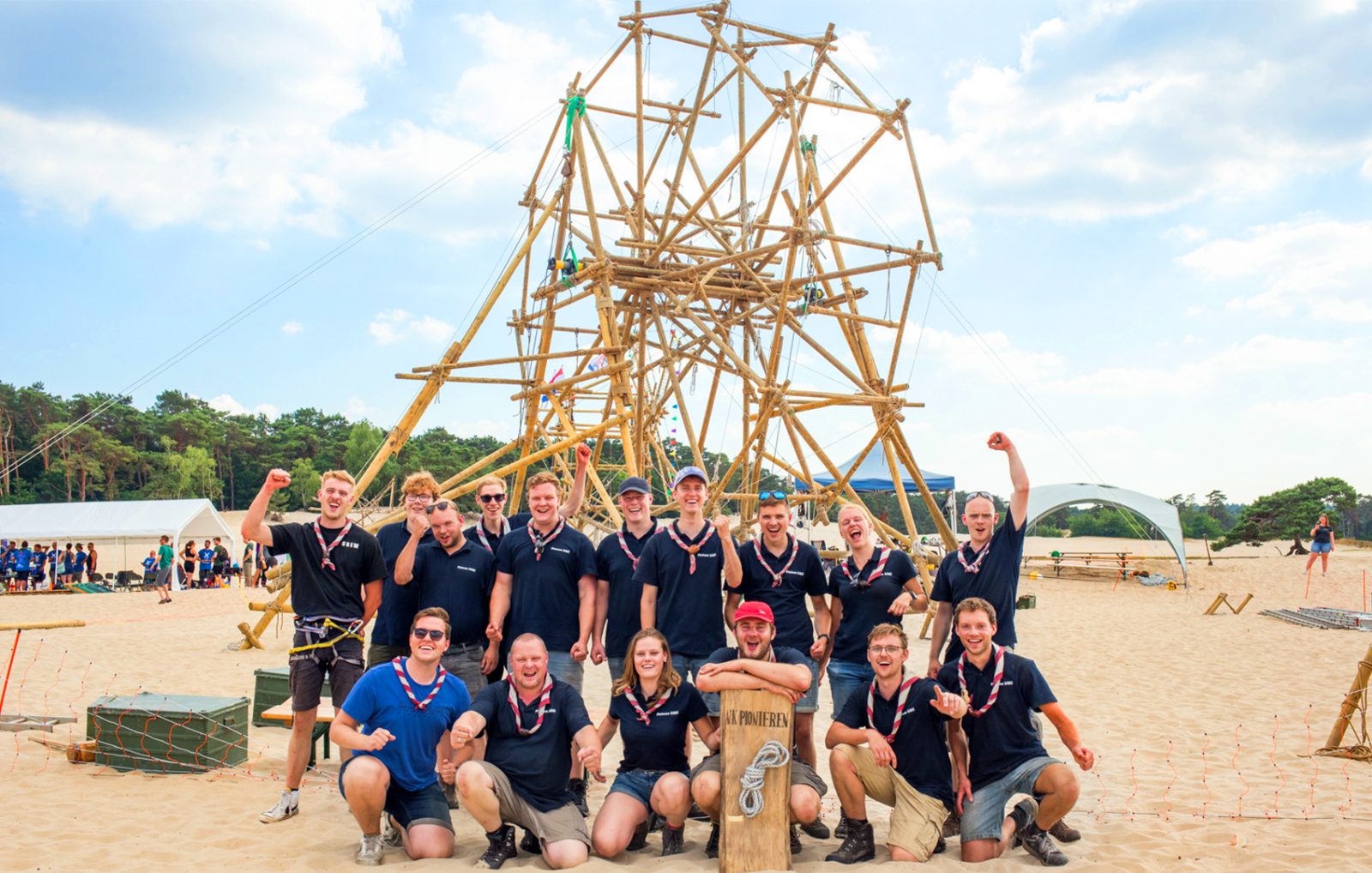
Over the years, my pioneering projects have become increasingly ambitious. A highlight was participating in the Dutch National Pioneering Championship, where we won first place. Our project was a working Ferris wheel, a structure that was both impressive and technically challenging.
For the design, I went through an extensive process of sketching, calculations, prototyping, and coordination. The wooden axle proved unable to carry the load with sufficient margin, so we replaced it with a steel version. To ensure smooth rotation, I designed the bearing blocks, which were then manufactured for us. On the day of construction, I led the team so that the Ferris wheel was operational within ten hours. The result was an award-winning structure that reflected both technical quality and strong teamwork.
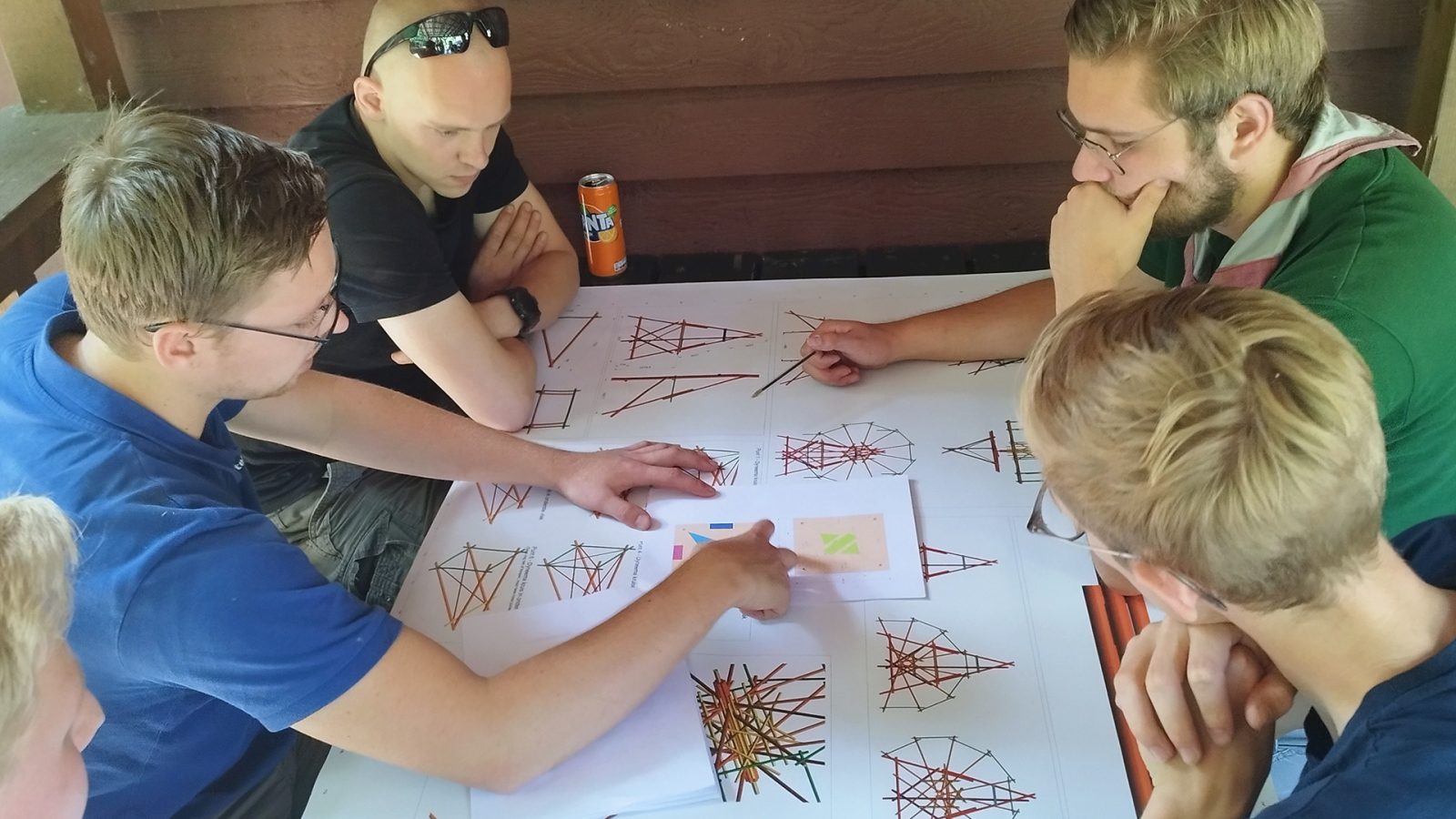
Designing such constructions requires a sharp eye for detail and a balance between multiple requirements: structural stability, aesthetics, and manufacturability. Each project goes through several iterations to optimize the concept. Quick calculations and scale models help test feasibility. Ultimately, I work everything out in 3D, including the corresponding 2D drawings.
By coordinating the construction myself, I discover where bottlenecks arise and continuously improve my next design. This iterative process closely mirrors the way we work at MechDes, where thorough engineering and practical execution go hand in hand.
Designing with safety and manufacturability in mind
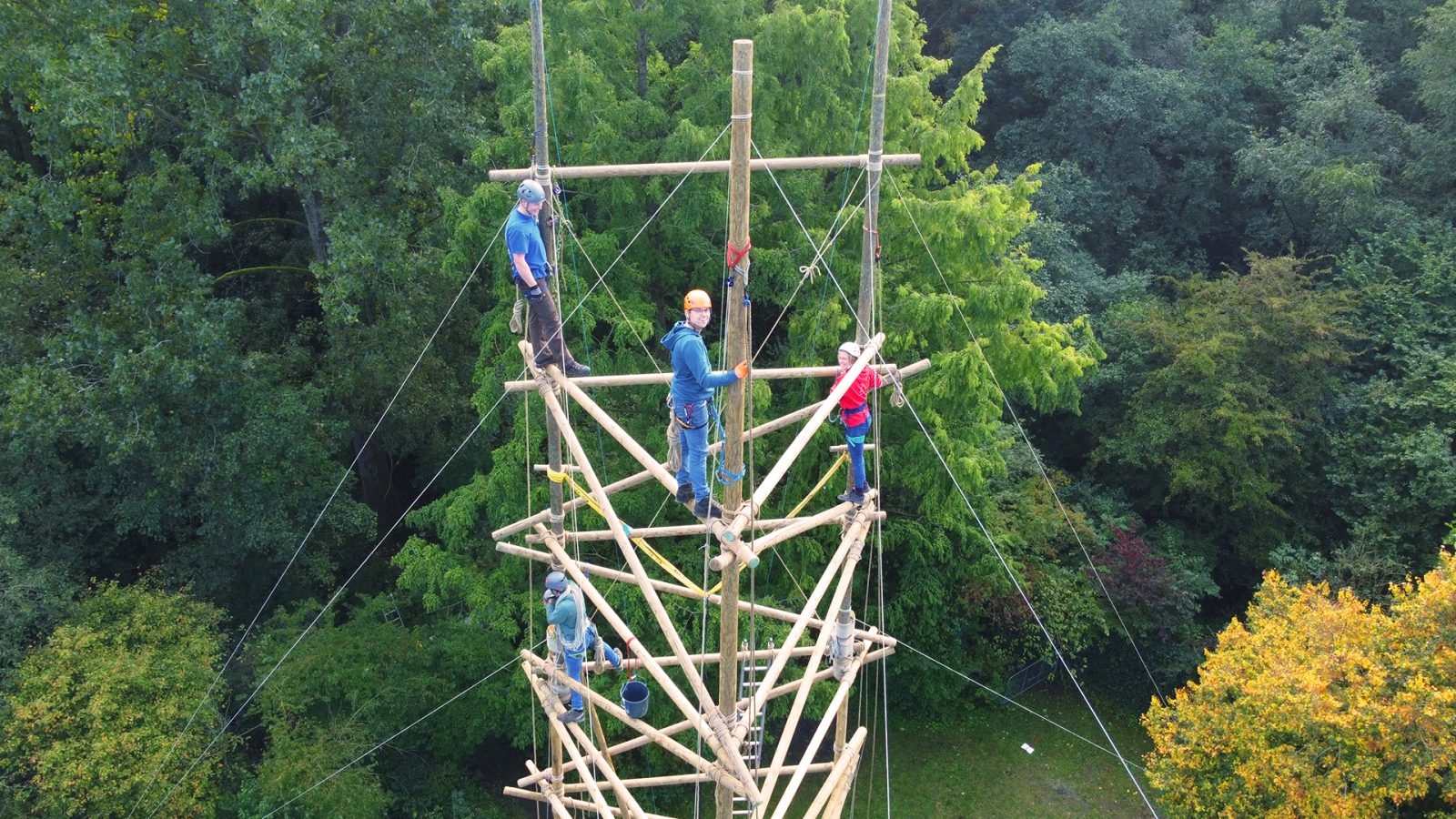
Safety is always the top priority in pioneering, especially with larger constructions. We often build frames on the ground and then hoist them upright. This approach is much safer and more efficient than working at height, but it also introduces new challenges, such as manually lifting heavy structures.
For example, we built a tower of twenty meters weighing approximately 800 kilograms. In advance, I created a detailed lifting plan, including structural calculations to ensure safety. Clear and decisive leadership during the lifting process is essential, a role I gladly take on. Through this, I learned a great deal about leadership, communication, and anticipating unexpected situations.
This process demonstrates how important planning and precision are in engineering. Just as with a steel structure at MechDes, every component must be placed safely and efficiently. Combining theory and practice, calculations and hands-on work, makes pioneering an example of real-world engineering.
Engineering that transcends boundaries
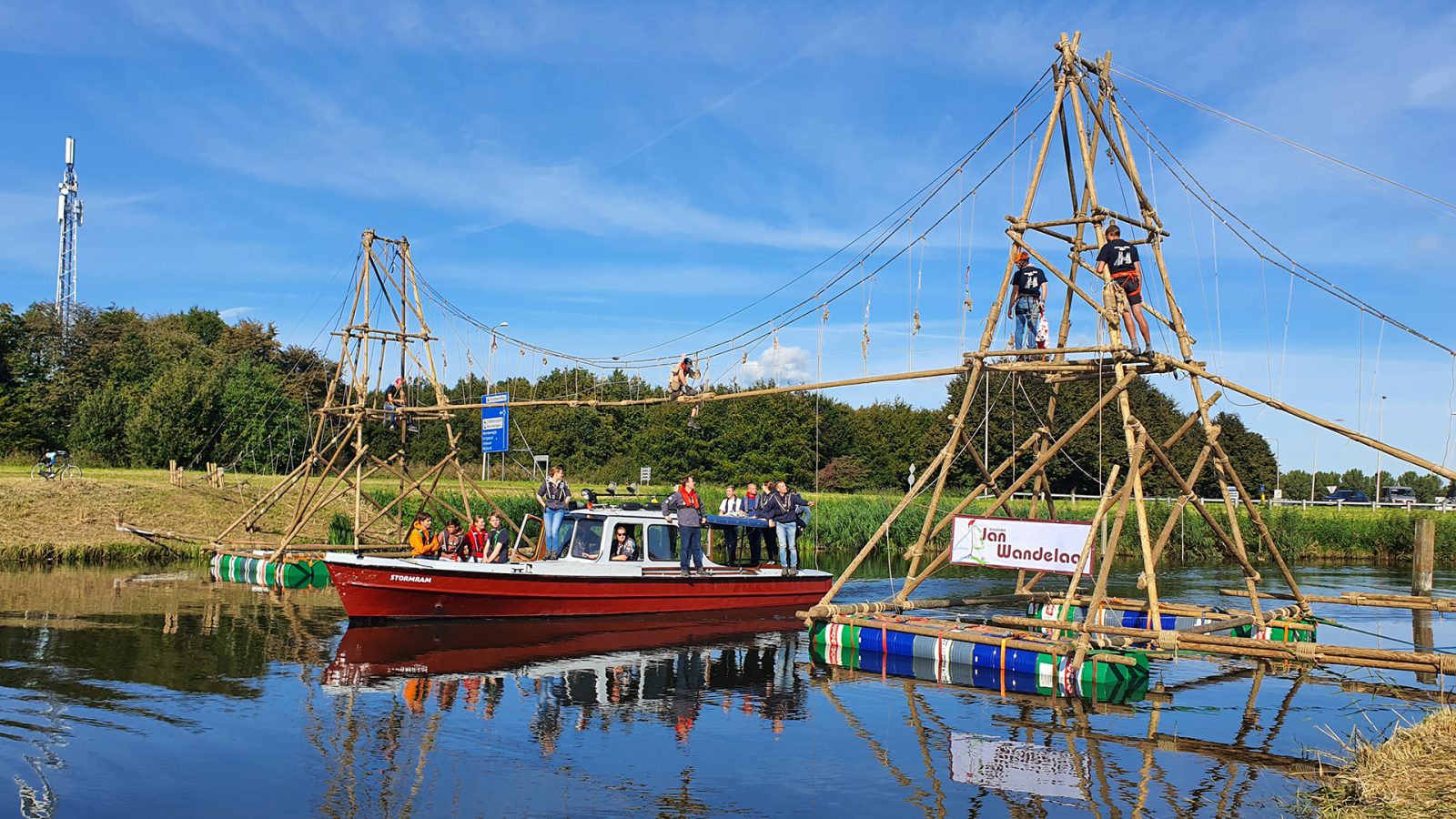
Some pioneering projects require in-depth calculations. One example is the floating bridge we built last year. It consisted of two floating pillars with a cable-stayed bridge between them. I calculated the stability of the floats, including the effects of wind loads, and adapted their geometry accordingly. The bridge cables were anchored to ground anchors, for which I calculated the forces they needed to withstand.
It was rewarding to see that the analytical skills I use at MechDes are directly applicable in this context. Structural principles are largely universal: whether working with steel or wood, the mathematics and logic behind a good design remain the same.
Projects like this show how versatile engineering can be. Combining material knowledge, mechanics, and practical execution requires both technical precision and creativity. It is precisely this mix that makes my work at MechDes so interesting and turns my hobby into an extension of my professional development.
Collaboration as the key to success
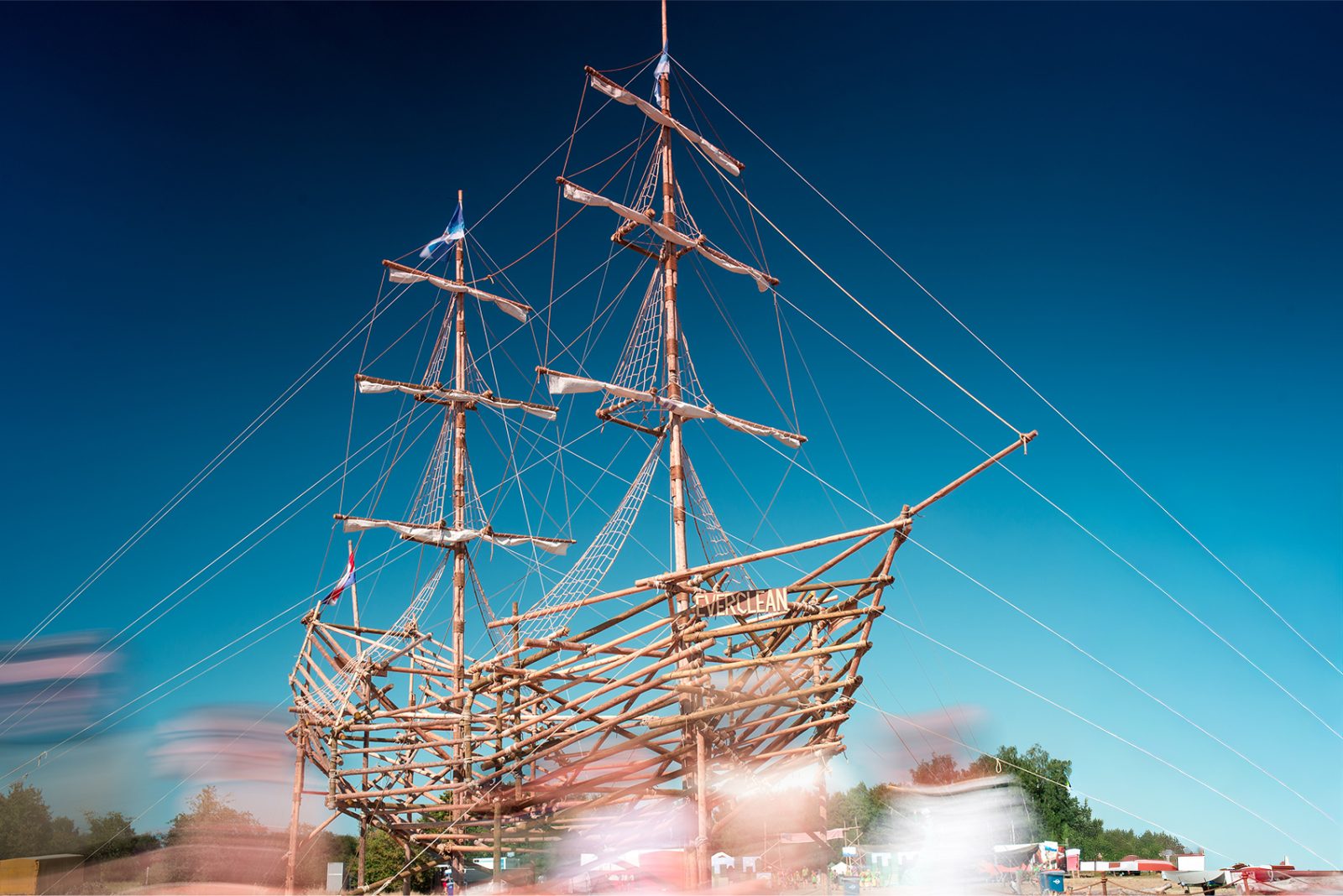
At national scouting events, I help build decorative pioneering structures with scouts from all over the Netherlands. This requires additional planning, including permits, logistics, and coordination between multiple parties. Designing and constructing such structures strengthens my organizational skills and reinforces the importance of clear communication and coordination. What makes these projects special is that everyone plays a role, and the results are only achieved through collective effort.
The process of building and designing is incredibly rewarding because I see an idea become reality. Every project, from small swings to large towers, requires teamwork, precision, and perseverance. It reinforces my understanding that strong collaboration is essential to successfully complete ambitious projects, something I experience daily in my professional work as well.
And to be honest, it is also the perfect excuse to spend a day, weekend, or even a full week working together with friends. The reward is seeing a final result we can all be proud of. It has truly shown me how much can be achieved through effective teamwork.
From hobby to professional pioneering
The connection between pioneering and my professional work is clear. At MechDes, everything revolves around carefully designing, calculating, and realizing structures, only in steel instead of wood. The principles of stability, manufacturability, and teamwork are universal and determine the success of every project.
Pioneering has taught me to think creatively within constraints, plan ahead, and combine technical knowledge with practical execution. These skills enhance my ability to oversee complex projects integrally and develop innovative solutions.
Through pioneering, I have also experienced how rewarding it is to see an idea become reality. The process of designing, testing, adjusting, and realizing is challenging but fulfilling. It shows that engineering is not just theoretical; it can be tangible and inspiring when people use their knowledge and skills to create something unique.
These experiences have strengthened my appreciation for craftsmanship, creativity, and teamwork and directly contribute to my role as an engineer at MechDes. I carry these insights with me every day as I work with my colleagues to bring ambitious engineering projects to life.
Would you like to work in a team of pioneers?
Would you like to pioneer in a challenging technical environment and become part of a team of passionate engineers? Get in touch with our Corporate Recruiter, Bobby van den Heuvel, and explore the opportunities that match your ambitions.