
Introduction
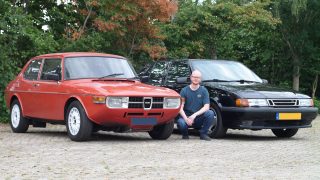
Some interests do not come from a conscious decision, but simply grow over time. For me, it started in the garage, next to my father. He was already working on Saabs, and as a teenager I often stood beside him. Watching, helping where I could, and above all trying to understand what was happening. Not just what you do, but why you do it.
That is where the foundation was laid for me. Engineering is not just about making something work, but about understanding a system completely. You can see that in the way I look at cars, but equally in my work as a Support Engineer at MechDes.
From watching to creating my own project
My first real steps started when I was around fifteen or sixteen. First by mainly watching, and later by taking on small tasks myself. Welding, working on components, taking things apart, and rebuilding them. When I started looking for my first car, I ended up with a Mazda MX-5. A lightweight, sporty car that matched exactly what appealed to me.
However, in practice it turned out to be mainly one thing: work. A lot of work. Rust, overdue maintenance, and more than I could combine with my studies at that time. I had just started my bachelor program in Automotive Engineering at HAN University of Applied Sciences and quickly realized that this project was too large. So I sold the car again fairly soon.
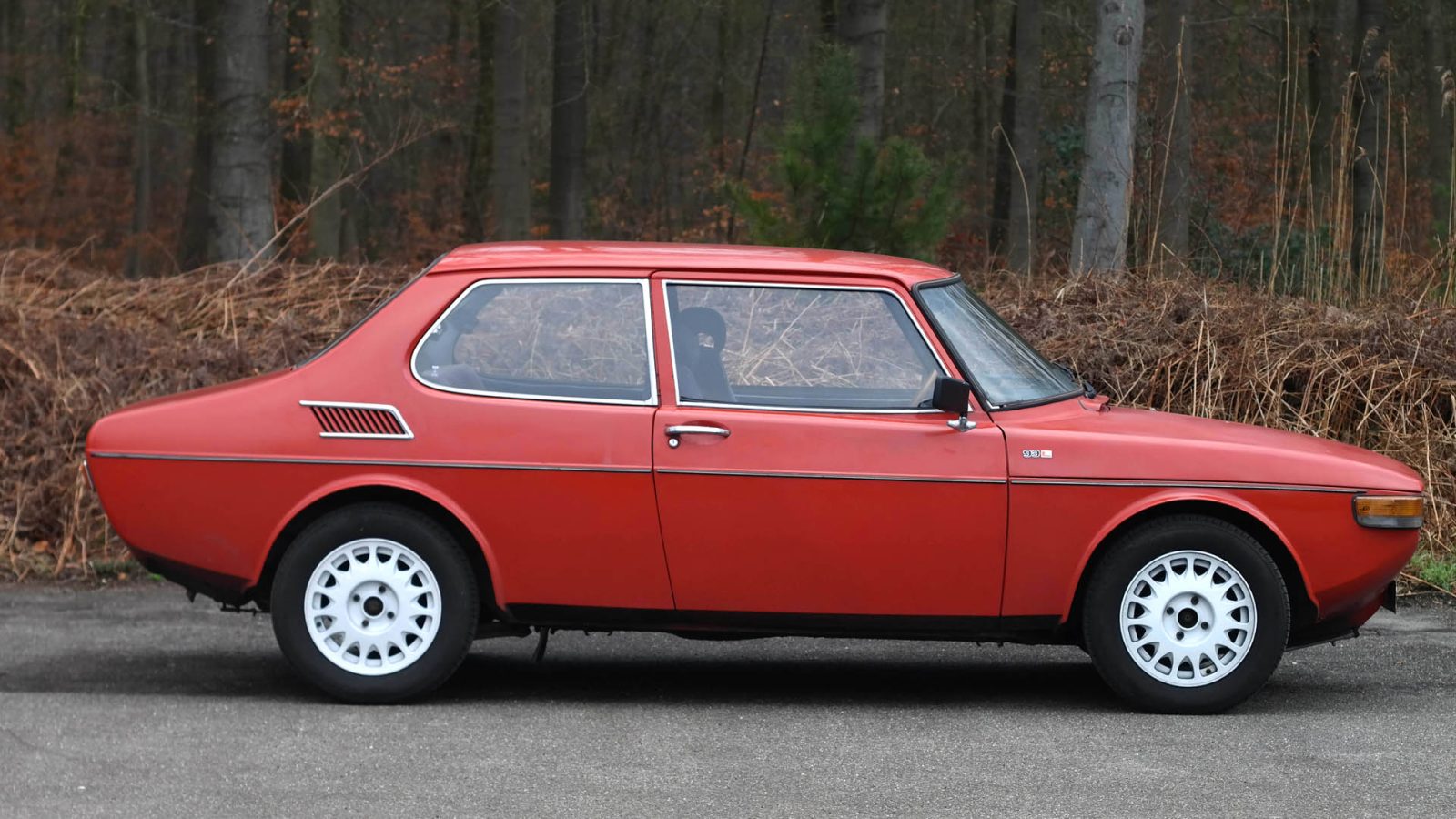
Not long after that, I came across a Saab 99L online. A true barn find, standing still for decades, with a dormant registration. From the outside, it looked surprisingly good. That is what makes it attractive, but also deceptive. Because what you cannot see is often still there.
That became my first real project.
What you cannot see determines the work
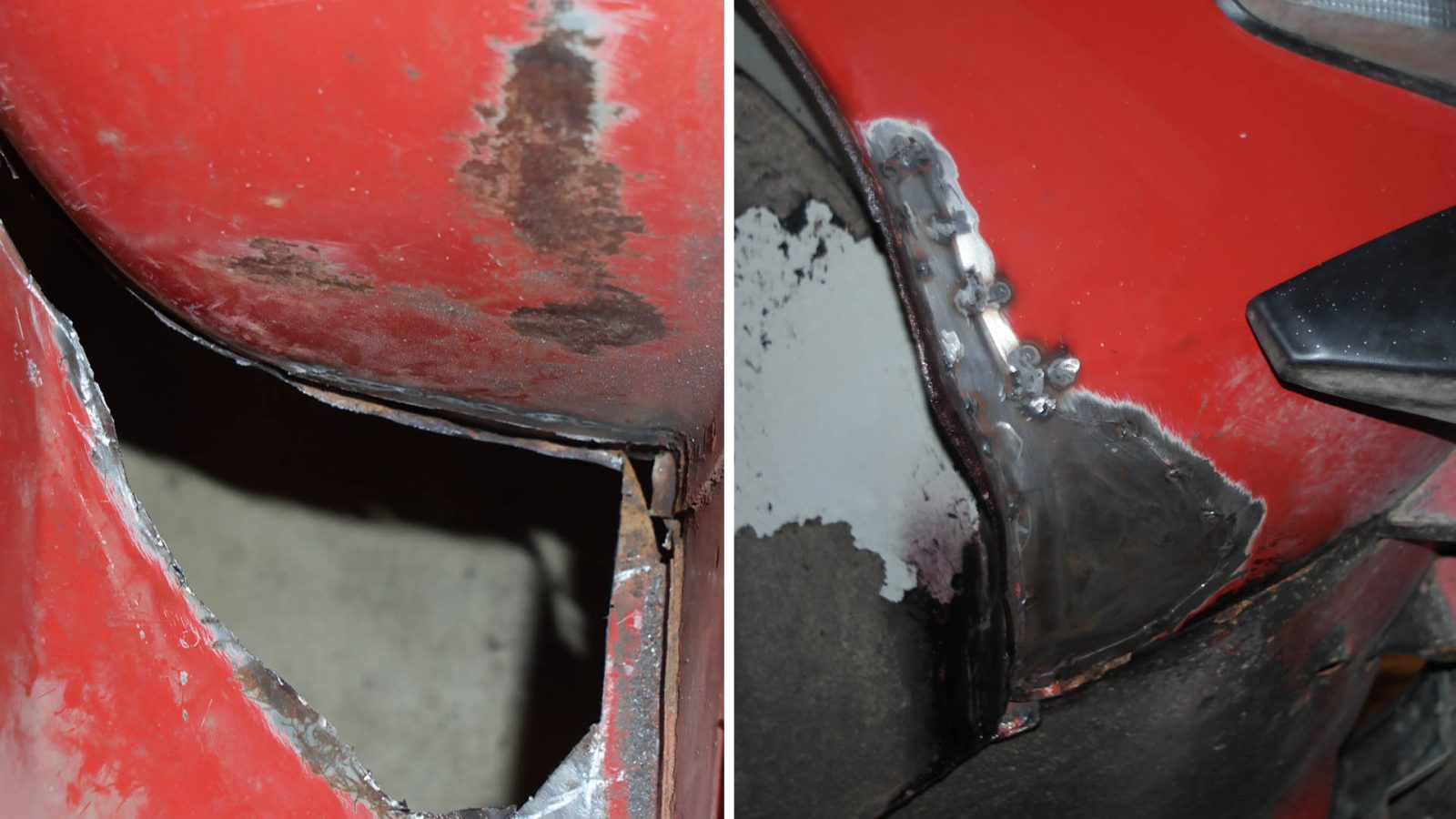
At first glance, it was a beautiful classic car. But once you start working on it, you see the reality. The engine needed attention, the braking system had to be largely replaced, and a new exhaust system had to be installed. And that does not even include removing all the rust and the additional bodywork and welding that was required afterwards.
This type of Saab has several known weak points. Wheel arches where moisture can become trapped between panels. Axle passages where dirt accumulates. These are not unexpected issues, but you need to recognize them and address them properly. What I learned from this is that a project is not just about repairing something as quickly as possible. It starts with looking. Understanding where a problem originates. Only then do you take action. That is exactly how I still approach engineering today.
Besides the repair work, I also started looking at how I could improve the car for my own preferences. I wanted it to feel a little sportier, so I installed different shock absorbers and springs. I also added a stabilizer bar and seats from a later Saab model with improved lateral support.
Why this Saab in particular
My preference lies with cars from the 1970s through the 1990s. These are cars that still feel mechanical, while already featuring well-thought-out engineering. No excessive electronics, but carefully designed systems that serve a purpose.
The 99L fits that perfectly. What appeals to me is the combination of character and technology. You can feel what the car is doing. Steering feedback, braking behavior, sound, everything contributes to the experience. For example, it does not have power steering. That means you are truly connected to the road. You feel what is happening.
Modern cars are often more comfortable and refined, but they are also more filtered. With an older car, there is much more direct feedback. That makes driving not only more enjoyable, but also more educational.
Technology as a system
An Automotive Engineering education is fundamentally very broad: mechanical engineering, electrical engineering, and manufacturing processes come together to create a successful design. You see that same principle in a car. It is not a collection of separate components, but an interaction of interconnected systems. Suspension, drivetrain, brakes, everything influences each other. I bring that same way of thinking into my work at MechDes. As a Support Engineer, I operate exactly at the intersection between design and practice. I work on designs, but I also see how they perform in the real world.
That combination is important to me. Not just coming up with an idea, but also experiencing what it does. Being able to see, feel, and improve.
Problem-solving thinking, in the workshop and on the work floor
Whether it is a machine or a car, my approach is the same. When something does not work properly, I first look for the cause. With a car, it could be a vibration, a sound, or something that simply does not feel right. I do not immediately start replacing everything. First, I try to understand where it comes from. Which components are involved? What can be ruled out?
This prevents unnecessary work. I see the same approach in my daily work. When an assembler encounters a problem, I take a look together with them. Not only to solve the issue, but also to understand why it occurs. My colleagues and I use those insights in future projects.
We document this as well. If follow-up actions are required, we record the cause. For example, a collision between components, additional welding protection that is needed, or another underlying issue. This way, you build knowledge and continuously improve the quality of your engineering.
A second Saab, a different phase
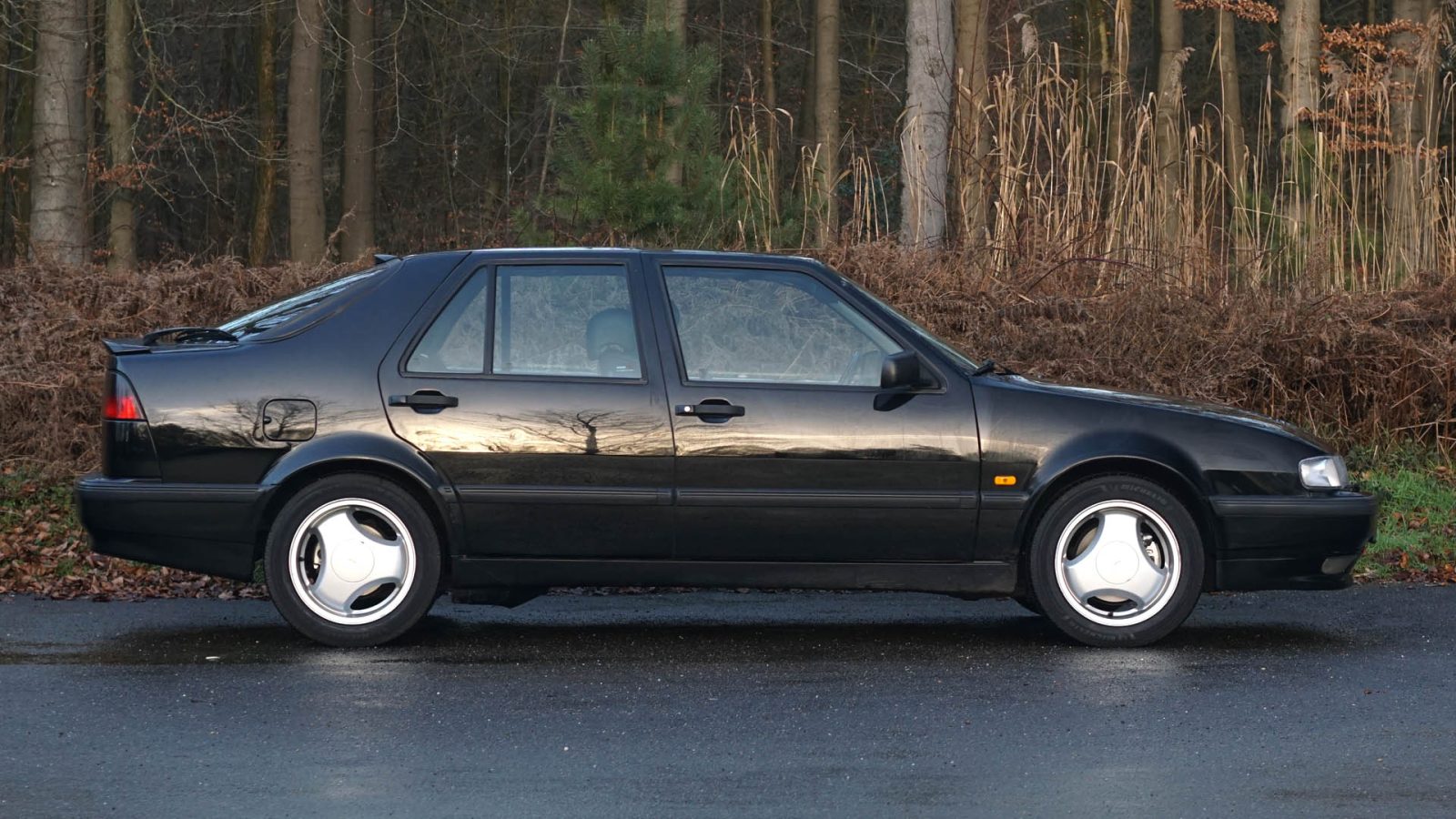
After the 99L, I bought a 9000 Aero from 1993. It may still be considered an older car, but there is almost twenty years of development between the two, and you can feel that difference. The 9000 is more refined. The suspension works differently, the driving behavior is calmer, and everything feels more mature. At the same time, it still carries the unmistakable Saab character.
With the 9000, I approach things differently than with my first project. I work in a more structured way and document everything. What do I replace and when? At what mileage? Because the 9000 is already a more developed vehicle, I spend less time modifying it and more time on preservation and maintenance. Examples include replacing the headliner, a turbo control valve, the left exterior mirror, fresh coolant, and new tires.
What makes Saab interesting to me is how early they started using turbo technology. It was already applied in the 99L to extract more power from a relatively small engine. The four-cylinder engine in the 9000 can be seen as a heavily developed version of the engine used in the 99L. It is also one of Saab's strongest engine designs, partly because it originally included several forged components.
That makes it a technically impressive car. Where the 99L is pure and direct, the 9000 feels like a mature evolution. Together, they represent two extremes of the same brand.
3D printing as an extension of engineering
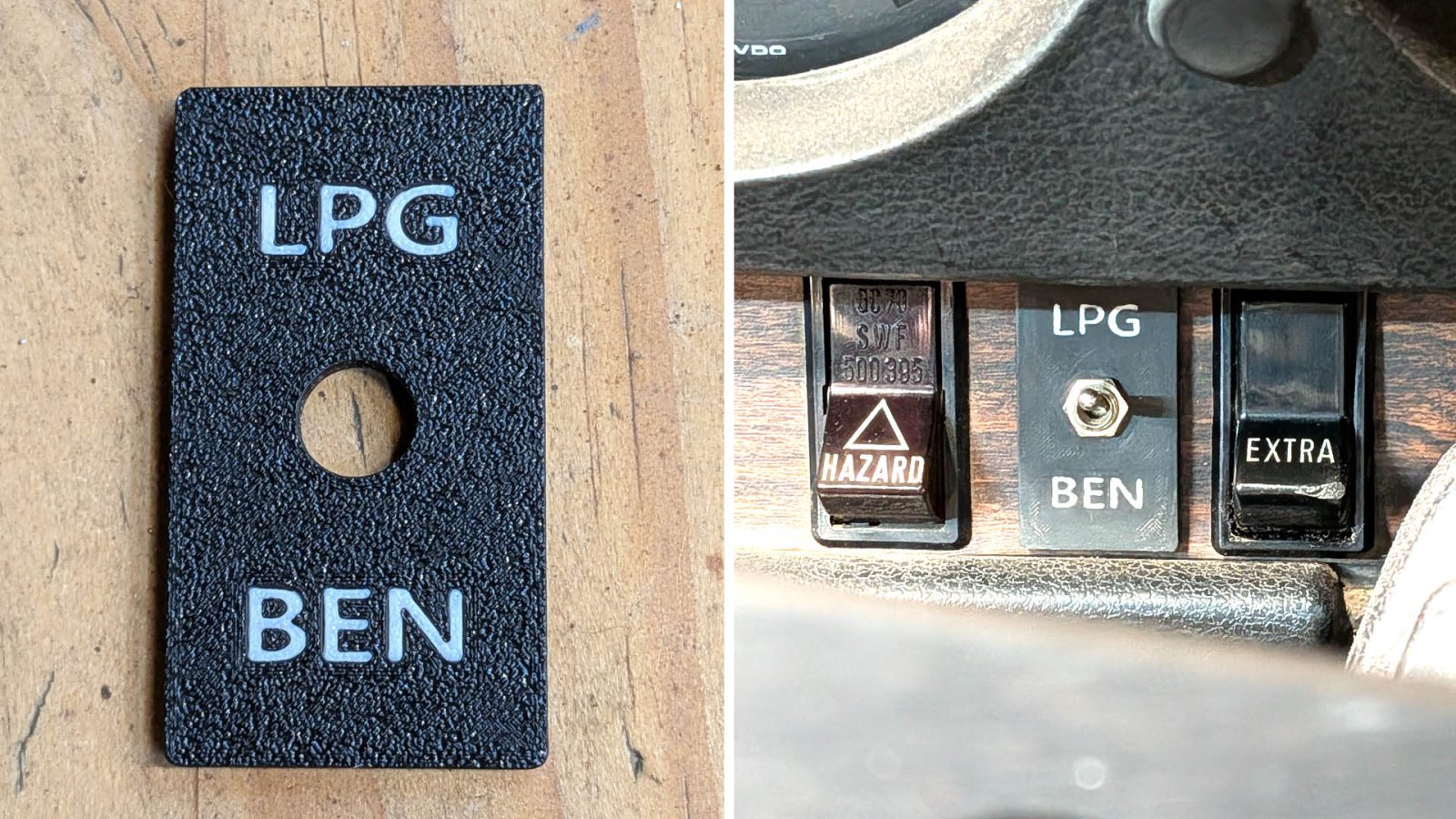
With older cars, you sometimes run into the problem that certain parts are no longer available. Small interior components, buttons, panels. I also made several modifications to the car, which required new parts that either did not exist yet or were no longer available.
So I had to create these parts myself. For this, I use Additive Manufacturing. I design components in SolidWorks, print them with a 3D printer, test the fit, finish them, and install them. The entire process, from idea to functional component, perfectly matches the way I like to work. The challenge is also to make the parts look as original as possible. For example, by matching the same textures, colors, and fonts, so the original character of the car is preserved as much as possible.
It is not only practical, but also a great way to apply modern techniques to classic engineering. This is where engineering and creativity come together for me. Everything I design can also be physically created and tested.
More than a hobby
For me, these Saab projects are not just separate hobbies. They are technical stories. Every repair, every improvement, and every component I create myself contributes to the way I look at engineering. It forces me to think, make decisions, and truly understand how things work.
And that is exactly what Masters of Engineering means to me. Not just being able to design or build something, but understanding how and why something works. Whether that is inside a machine or underneath the hood of a 1975 Saab. At the same time, it remains interesting to explore other cars. Maybe one day I will look for something light and compact again. Or perhaps a fast hatchback, or something that reminds me of that first MX-5: less weight, more direct, and more playful.
But there is a good chance I will always return to older cars with character.