
Introduction
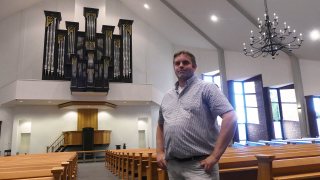
As a Sr. Lead Engineer at MechDes, I have been working in the field of technology for more than twenty-five years. During that time, I have worked on a wide range of projects, from machine building to complex structures. Yet my greatest fascination does not lie solely in technology itself. What fascinates me is the combination of technology, creativity and emotion.
That may sound like an unusual combination for an engineer. Many people expect a technical professional to spend their free time working on cars, restoring engines or having a workshop full of tools. Of course, I enjoy building things. At the moment, for example, I am working together with my son on our own escape room. But a large part of my free time is spent on something completely different: music.
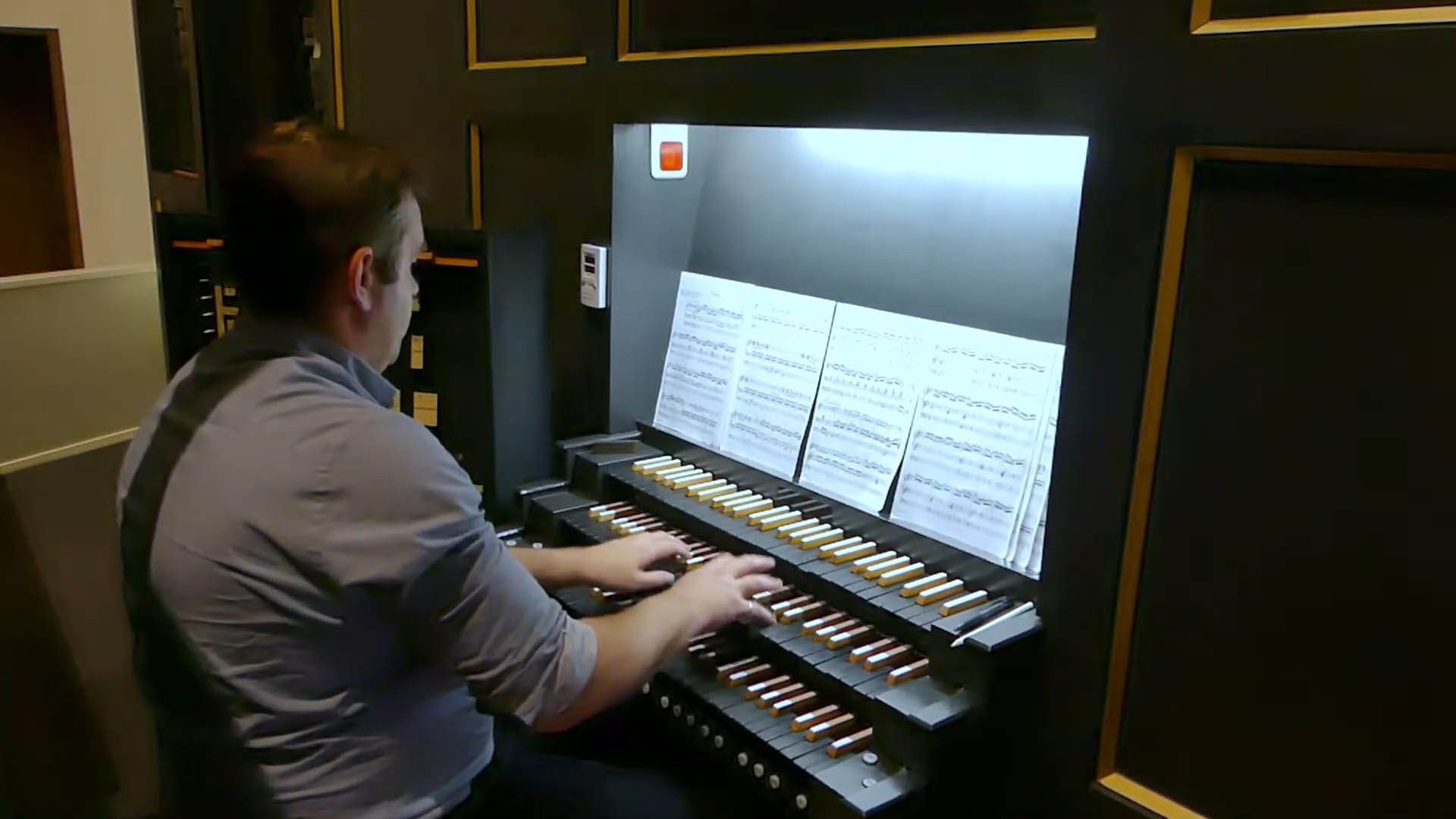
I have been playing the organ for more than 40 years and I have also been the organist in my church community for around 20 years. Not because I ever wanted to pursue a career in music, but because I was touched by what music can do to people. Over time, I discovered that music and engineering have much more in common than you might initially expect. Both are about structure, coherence, composition and balance. And in both cases, something only truly works when all the individual elements come together.
More than playing notes
My musical preference does not lie with the simplest pieces. I enjoy music that still has something to discover. Music that does not reveal everything at once. A beautiful melody can be wonderful, but if you have heard everything after listening twice, I often lose interest quickly.
I sometimes compare it to food. Some music is like a pastry with too much whipped cream: enjoyable, but after a few bites you have had enough. I prefer music with layers. Music where you continue discovering something new even after listening for the fifth or tenth time.
That probably also connects to my technical background. As an engineer, I like to look beyond the surface. I find it fascinating to understand how something works and why. I approach music in the same way. I enjoy listening to how a composition is built, how different voices work together and how tension is created and eventually resolved.
I also take that way of looking at things with me when I play the organ. Of course, you play the notes that are written on the page, but that is only where it begins. The real question is what you do with them. During a church service, you are not playing for yourself. You are playing for a congregation. For people who sing, listen, celebrate or sometimes experience grief. That requires more than simply playing technically well. You try to sense what is needed.
Sometimes that means providing a calm accompaniment that supports the congregation without drawing attention. Sometimes a psalm calls for more strength, movement or colour. As an organist, you are in a way also a conductor. You do not control everything, but you do provide direction. You can invite people to sing along, listen more closely or experience a text in a different way. That remains something special to experience. You set something in motion and then see (and hear!) what it does to people.
An organ with hidden potential
The combination of technology and music perhaps came together most strongly for me during a special project at my church in Genemuiden. When our new church was built, an organ naturally had to be included as well. It did not necessarily have to be a new organ, but rather an instrument that matched the powerful congregational singing, the new space and was financially responsible at the same time. An enthusiastic organ committee was formed, an advisor and organ builder were involved, and the search for a second-hand organ could begin.
Through an organ builder, we came across an organ from Germany dating back to 1970. It was not love at first sight. In fact, many people did not really like the instrument. It looked dated and did not fit the image we had in mind for the future organ.
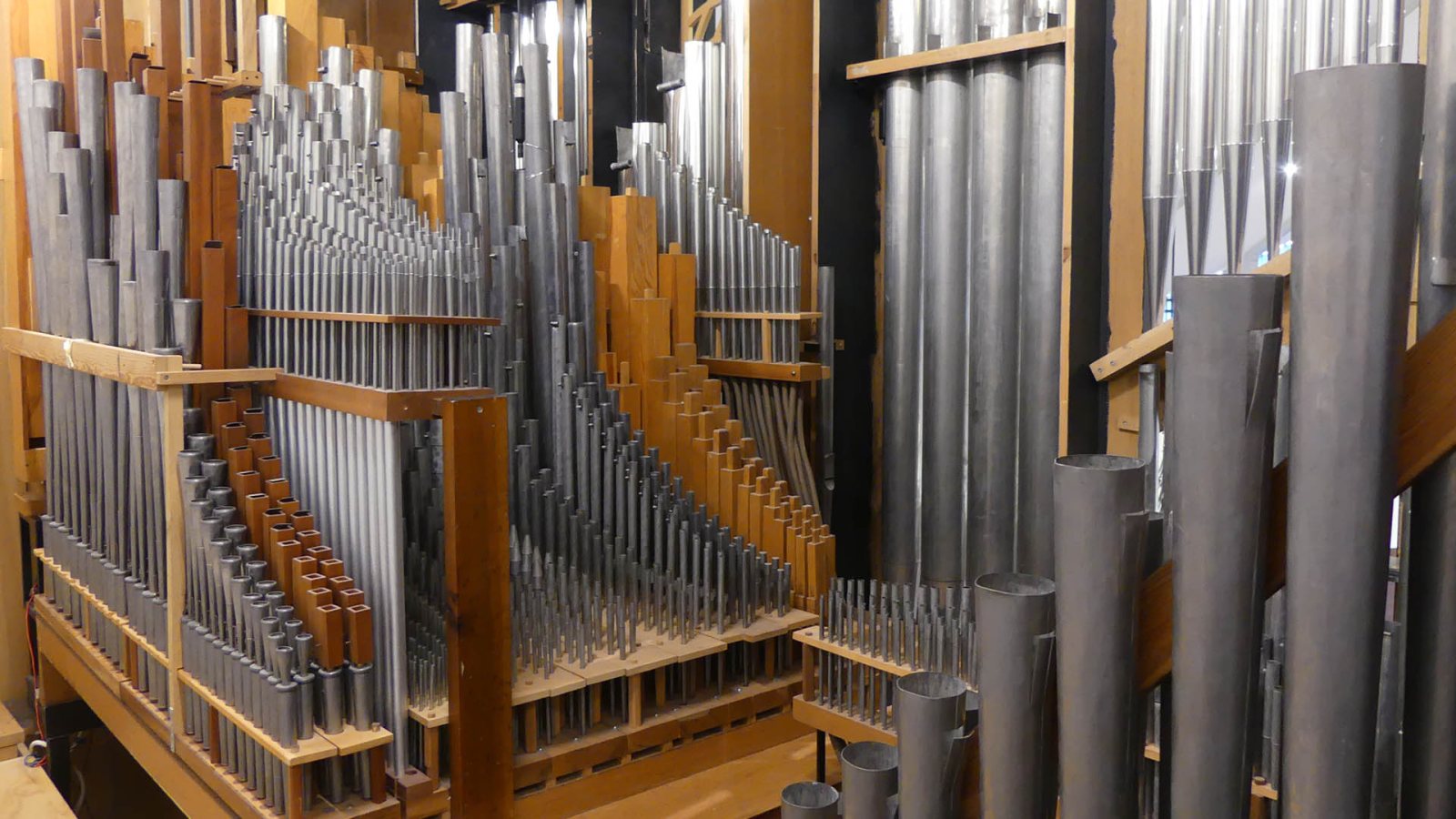
Yet we immediately saw something different: potential. Technically, the instrument contained an enormous amount of quality. It was a large organ with three manuals, a pedalboard and more than fifty stops. An instrument with thousands of pipes and a huge range of possibilities. The only question was how we could preserve that quality while creating an organ that would fit the new church.
That is what fascinated me. Not because it was the easiest solution, but precisely because it became a technical and creative puzzle.
Understand first, design second
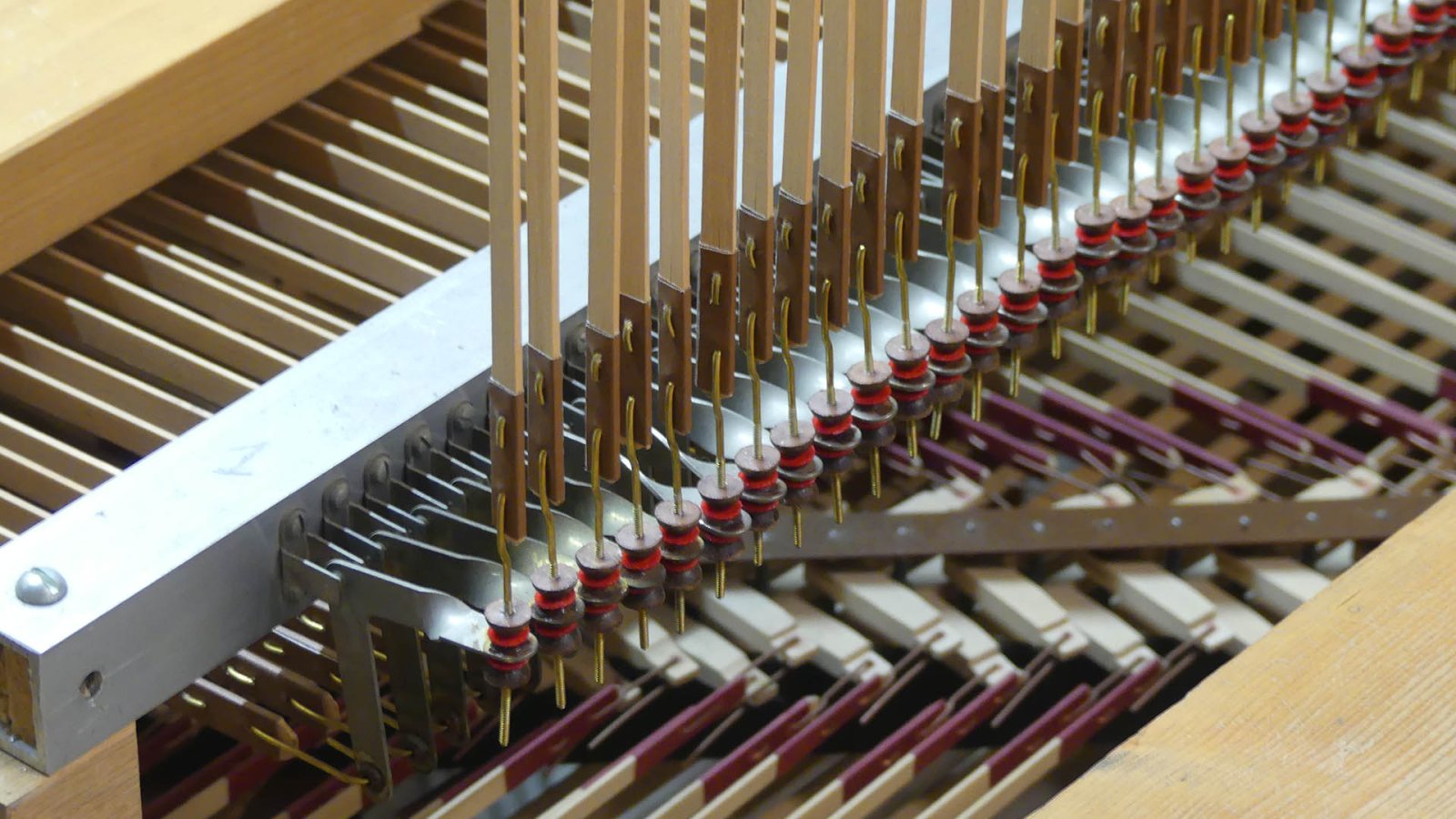
Before you can modify something, you first have to understand how it works. An organ is much more than a collection of pipes. It is a complex system of mechanisms, connections, air channels, stops, wind supply and structures. Everything influences each other.
In Germany, the organ had been installed in a completely different configuration than in the new church. The console was positioned differently, the pipes were arranged differently and the mechanical connections also ran through the instrument in a different way. This meant that the layout did not match our situation, but the components themselves did.
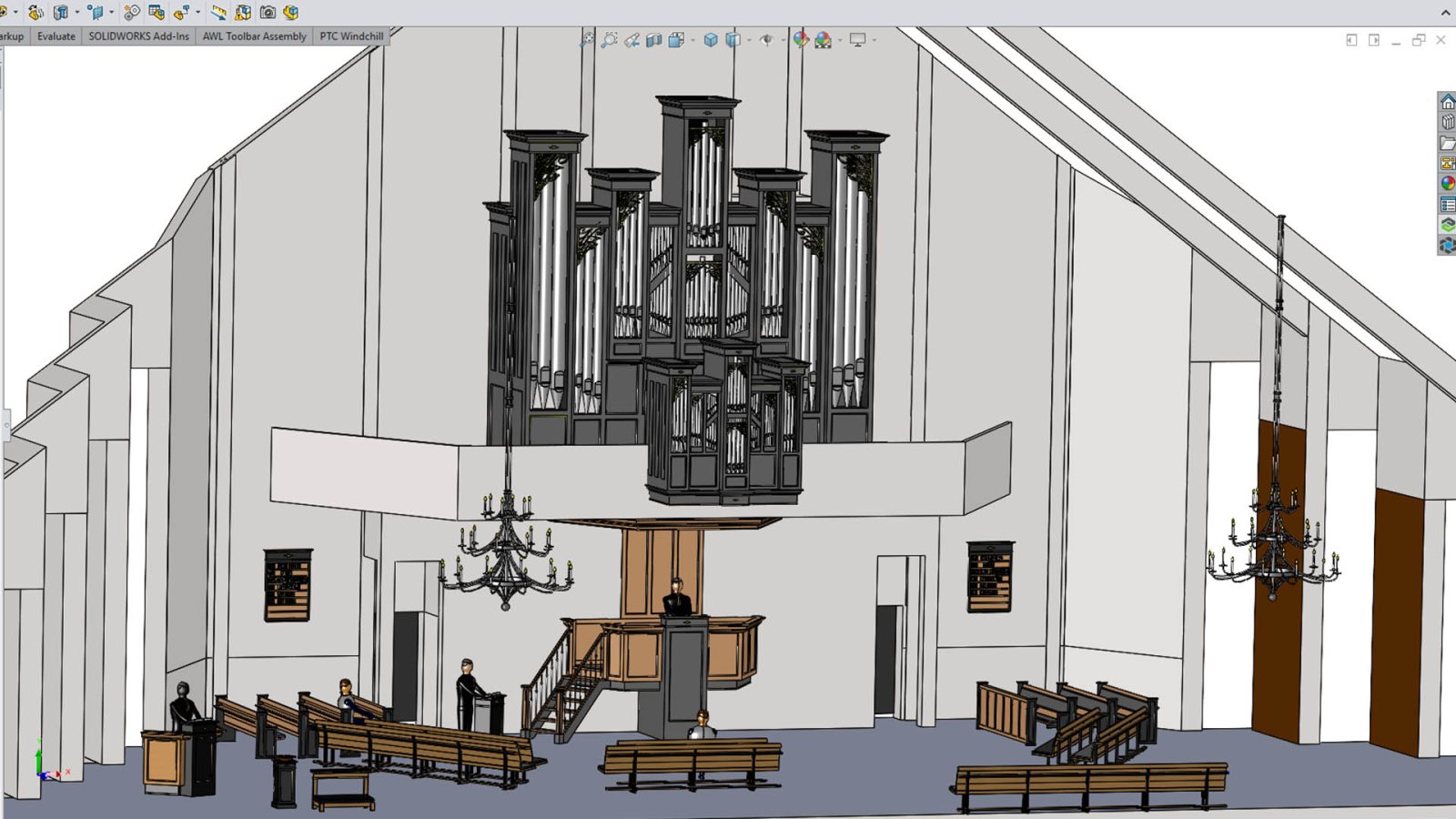
For the organ builder, those components formed the technical foundation of the project. For me, that is where the puzzle began. But for the organ builder this was not a standard conversion either. How can we reposition existing components without losing the functionality and sound of the instrument? Which connections can remain? Which routes need to be redesigned? How do we ensure that the complete system remains maintainable? Fortunately, two committee members, including myself, were skilled in 3D CAD, allowing us to solve this puzzle together.
A good solution often starts with looking carefully. We measured extensively, created sketches and performed calculations. What helped was that the existing organ turned out to be surprisingly flexible. Many components could be given a new place with relatively limited modifications. This allowed us to preserve large parts of the original instrument.
And that is what I love about technology. You do not always have to start over to create something new.
An organ case that belongs to the space
Besides the technology, there was another challenge. The new church required an organ that radiated calmness and grandeur. Not an ultra-modern object, but also not a visibly second-hand instrument that happened to be available.
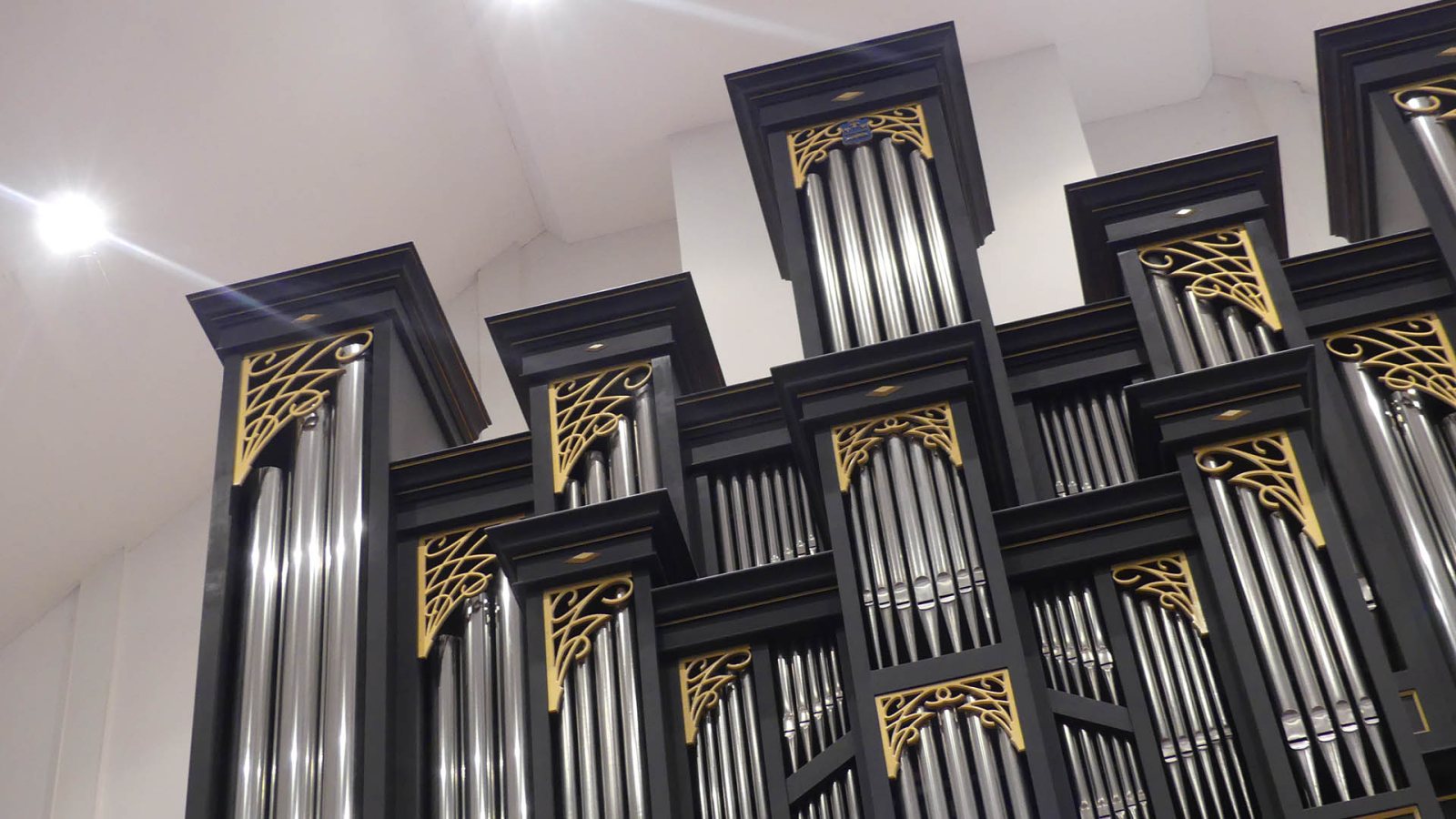
It had to feel as if it had always belonged in the space. That is why I was closely involved in the design of the exterior case. Together with those involved and the organ builder, we looked at proportions, lines, details and appearance.
I perhaps enjoyed that process just as much as the technical side. You are constantly making choices. How do you give an organ case enough 'body' without adding unnecessary weight? How do you make structures appear visually robust while keeping them technically efficient? Which details add value and which ones are distracting?
My interest in design also became visible during this process. I have always been fascinated by organic shapes, flowing lines and styles such as Art Nouveau. I especially enjoyed developing the wood carving in the front. I created dozens of variations before I was satisfied.
To outsiders, such details may seem small. To me, they are exactly what makes the difference. A line has to be right. A shape needs tension. An ornament should not simply be decoration, but become part of the whole. It is difficult to explain, but when it is right, you immediately feel it.
Technology behind the scenes
Of course, the organ not only had to look beautiful, but also had to be safe and structurally sound. The instrument hangs partly in front of the gallery and creates significant loads. That is why a lot of attention was given to the steel structure, the anchoring and the transfer of forces into the building.
These types of challenges feel familiar to me. This is where my background as an engineer directly comes into play. Which anchors do you use? How do you prevent unwanted deformation? What happens if certain loads turn out differently than expected?
These are the same questions I ask in my daily work. Only the context was different this time. This was not about a machine or a structure for a customer, but about an instrument that would eventually take a central place within a community.
That gave the project an extra dimension.
The power of simplicity
What I perhaps learned most during this project is the importance of making conscious choices. During the design process, all kinds of ideas came up. Additional systems, extra functions and traditional details that were technically possible. Yet we did not implement everything.
Some solutions were beautiful, but added little practical value. Other options would have cost a lot of money while only a handful of people would notice the difference. Then you have to make choices. Not everything that is possible also needs to be done. That is a principle that I find important both in engineering and in music. A design does not become better by continuously adding more. Sometimes it becomes stronger by leaving things out.
That pragmatic approach also fits a project that was largely made possible by volunteers, sponsors and involved members of the congregation. Everyone invested time, knowledge or resources. That means you have a responsibility to handle those contributions carefully.
When head and heart work together
The organ has now been in place for many years. What appeals to me most is that the instrument feels timeless. It does not demand attention for itself, yet it has a major influence on the atmosphere and overall feeling in the church hall. The organ has proven reliable over the years and truly feels like one with the church and congregation. For me, that may be the greatest compliment a design can receive. When I look back at the entire project, I mainly see how technology and musicality came together. On one side there were the calculations, structures, dimensions and technical decisions. On the other side there was the music, the space and the people who use it.
Exactly between those two worlds lies the most beautiful form of craftsmanship for me. Whether I am working on a machine, a structure, an organ or an escape room: ultimately, I am always searching for the same thing. A solution that not only functions, but also feels right.
Because when technology and emotion reinforce each other, something is created that becomes greater than the sum of its parts. And that is exactly what continues to fascinate me, even after more than twenty-five years in engineering.