

Introduction
The energy transition at sea requires reliable cable connections. Not only when new wind farms are being built, but also when existing cables need maintenance or repair. The availability of suitable equipment partly determines how quickly a vessel can be deployed.
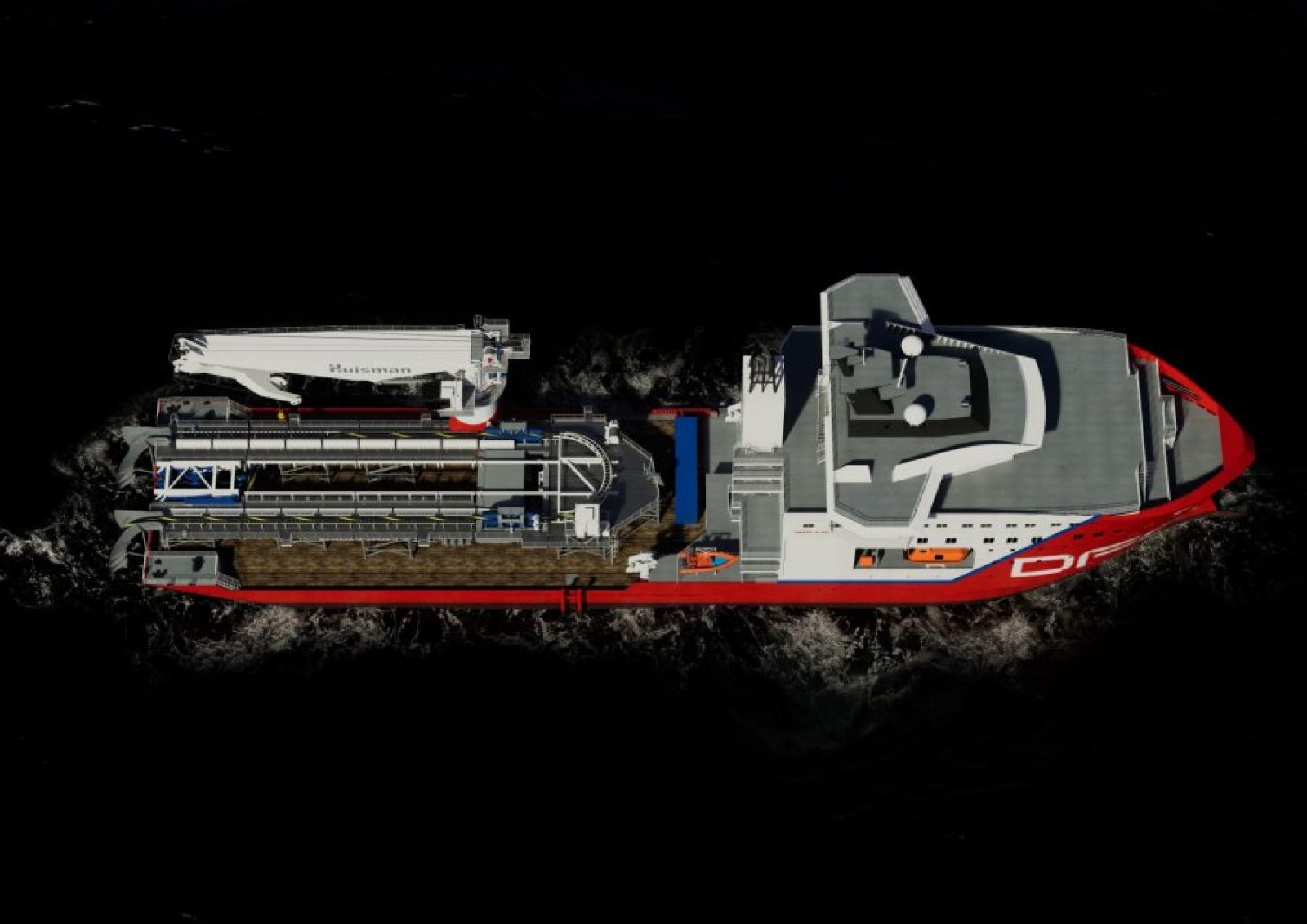
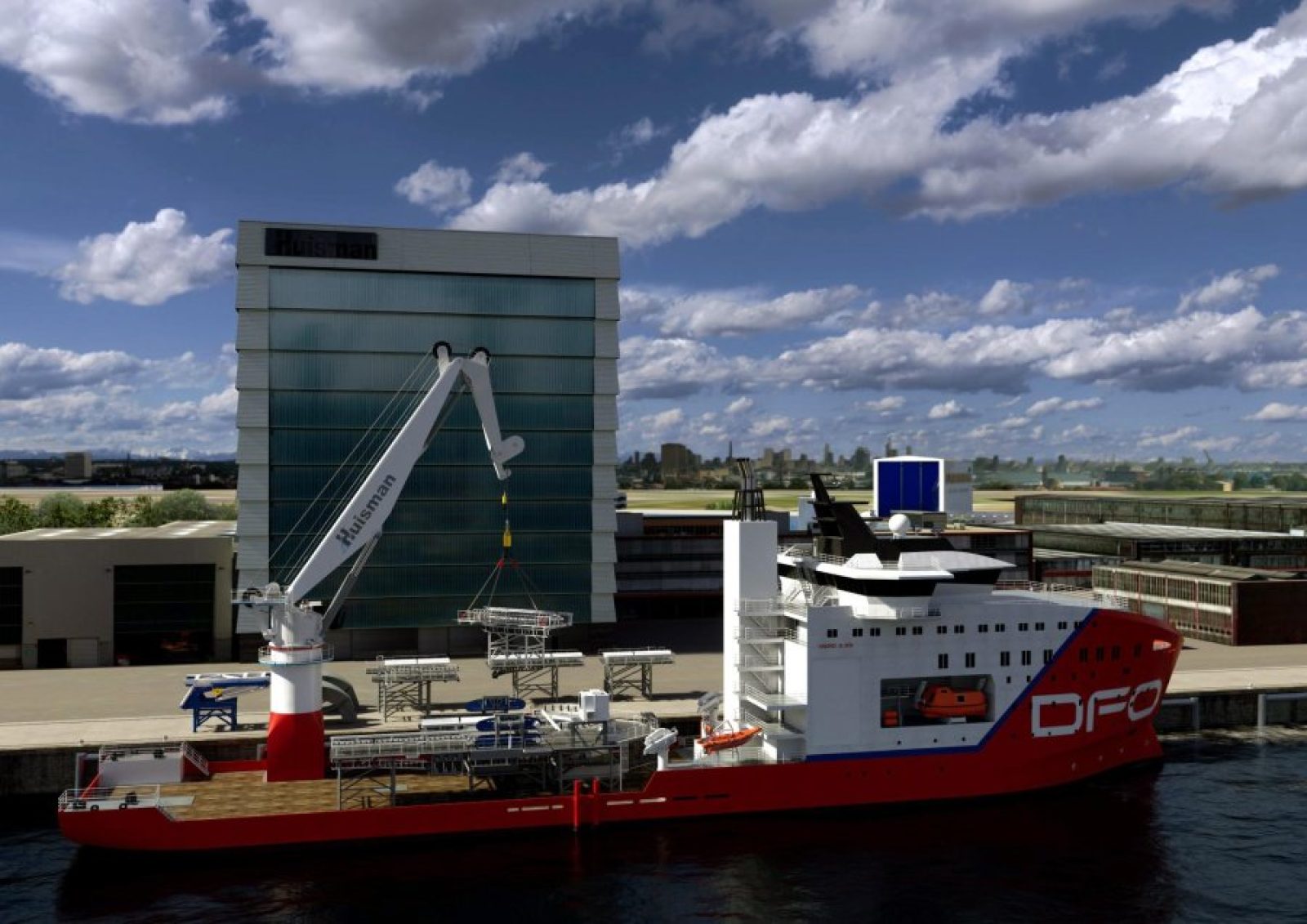
Huisman developed the Modular Cable Lay System for this purpose. This modular cable-laying system can be installed on different types of vessels. An offshore construction vessel can therefore be deployed for cable repairs or configured, for example, to lay cables between wind turbines.
Depending on the assignment, the system can be configured as a compact repair setup or as a complete cable-laying setup. This allows vessel owners to use their existing fleet for multiple types of work, without needing a separate specialised vessel for every application.
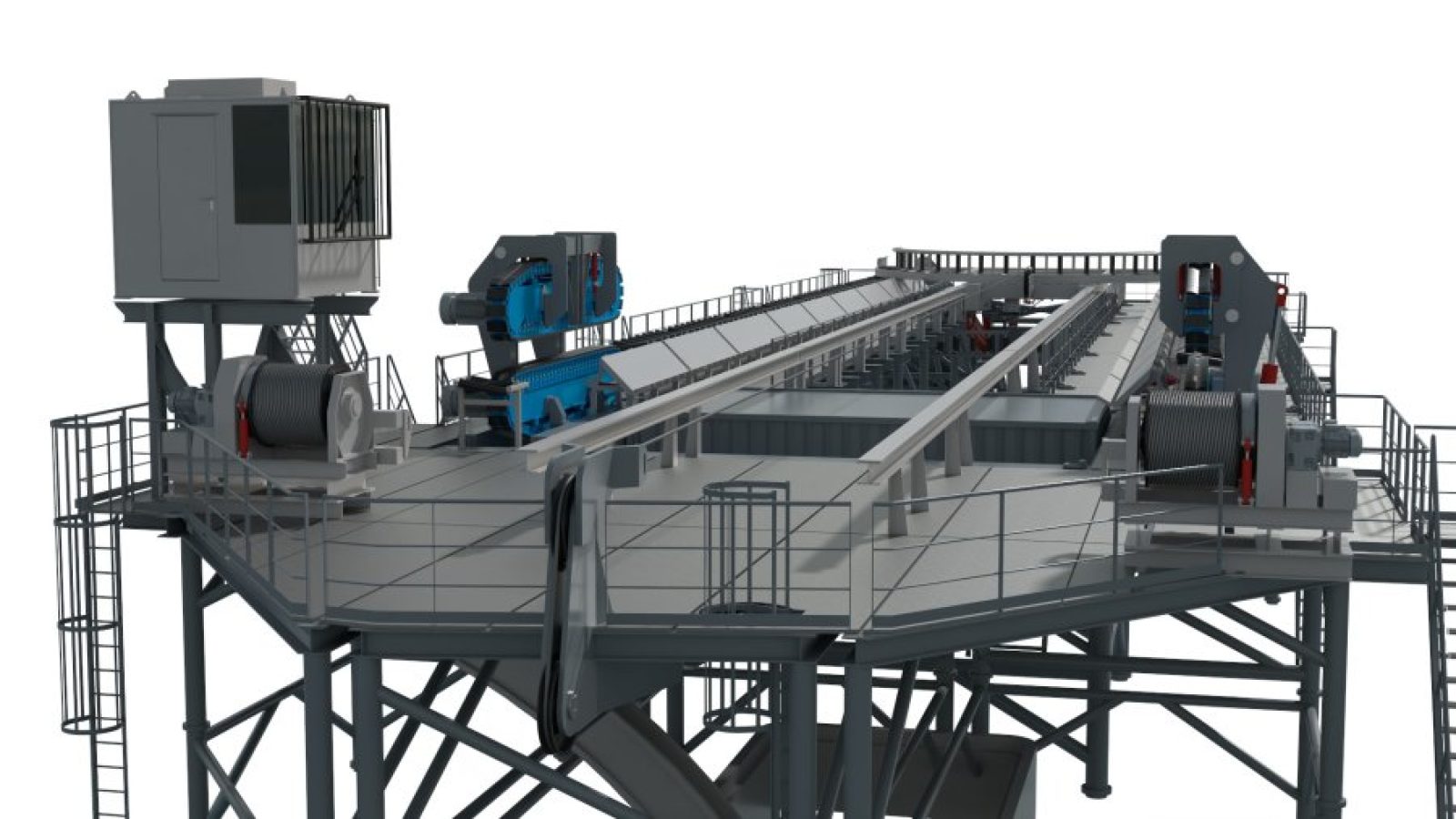
Various components work together within the system, including the Reel Drive System, which provides controlled drive for the cable reels.
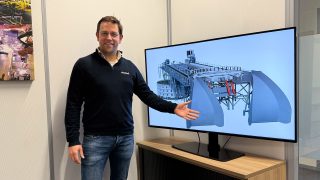
"What makes this concept so valuable is the flexibility of its design. Operators can configure their vessel for a specific task and respond to changing market demand," says Terence Vehmeijer, Engineering Manager Products at Huisman.
Engineering for offshore conditions
The Modular Cable Lay System is designed for demanding offshore applications. Depending on the configuration, the system is approximately 35 to 80 metres long. It is suitable for cables with diameters ranging from 50 to 500 millimetres and has a pulling force of approximately 30 tonnes. The cable-laying speed is around 30 metres per minute.
The technical specifications say something about the system’s capacity, but not yet about the design challenge. The system is used on different vessels and therefore has to accommodate a variety of supports, available space and loads. The dynamic conditions at sea add to this. Vessel movements, waves, wind, changing cable loads and lifting operations all affect the design.
With a modular system, a key part of the challenge lies in connecting it to the vessel. The forces must be safely transferred through the deck supports, while space, accessibility and cable routing must also be taken into account. A solution that fits one vessel well may require a different configuration or support arrangement on another. These interfaces partly determine how quickly and reliably the system can be mobilised.
Huisman had a basic design and a clear product vision for the Reel Drive System. The next step was to develop these into a substantiated, production-ready engineering package. MechDes provides, among other things, detailed engineering and strength calculations (FEM analyses).
The engineering goes beyond demonstrating sufficient strength. Production, assembly, transport, accessibility and maintenance are also considered in the design. A structure must not only be properly calculated, but also practical to build and use.
"With this type of equipment, it’s about the complete picture," Terence explains. "The system must not only be strong and reliable, but also safe and efficient to operate. The design must also take into account installation on the vessel and the demanding conditions at sea."
From tubes to plates
A specific example within the project is the development of the Storage Reel frame. At an earlier stage, the initial design was largely based on tubular structures. During the detailed engineering phase, it became clear that a plate-based design would better meet the requirements for loading, fatigue, production and assembly.
Fatigue is an important consideration in offshore equipment. A structure is not subjected to a maximum load just once; it is repeatedly loaded throughout its service life. As a result, the structure’s shape, its connections, local stresses and the way forces travel through the frame all determine its service life.
"MechDes looks beyond the calculations alone," says Terence. "They consider the practical impact of design choices and come up with solutions that are both technically well-founded and feasible to manufacture. That makes them a valuable partner in this process." The change from tubes to plates was therefore not a matter of appearance. It was a technical decision that brought together strength, fatigue, manufacturability and assembly. By considering these aspects early in the process, the design could be refined before moving into production.
Working together with direct lines of communication
The components within a modular cable-laying system affect one another. A change to the Storage Reel can have consequences for loads, use of space, cable routing or the accessibility of other components. Regular discussions between the engineers involved are therefore important.
Engineers, lead engineers and project managers from Huisman and MechDes work together directly on the project. Design changes, calculations and questions from production are discussed together during coordination meetings. This keeps communication direct and prevents decisions from being made in isolation from the rest of the system.
Huisman and MechDes share a similar approach to engineering. In both organisations, craftsmanship is closely connected to the work itself. Engineers are given room to make technical decisions, ask questions and clearly substantiate design choices.
Huisman safeguards the product vision, system integration and operational requirements. MechDes translates those principles into a technically substantiated, production-ready design. The division of responsibilities is clear, while the detailed work is carried out in close consultation.
"The collaboration is open and focused on the technical work," Terence explains. "We can respond quickly and discuss technical choices openly. MechDes provides not only the required capacity, but also actively contributes ideas for practical, manufacturable solutions."
High-quality engineering as the foundation for collaboration
The Reel Drive System is not the only project on which Huisman and MechDes are working together. Several initiatives are now underway in offshore, cable laying, lifting and handling, and renewables. The two organisations continue to work together across these projects.
"The collaboration works well because we approach technical challenges in the same way," Terence explains. "We critically assess design choices, challenge each other’s thinking and work together to find the solution that works best both technically and practically." This shared approach provides the foundation for further collaboration. Both organisations see strong engineering as the starting point for a reliable end result.
About Huisman
Huisman develops, builds and maintains heavy lifting and handling equipment for offshore wind, energy and maritime applications, among others. The organisation supplies a wide range of systems, from cranes and deck equipment to complete cable-laying and pipe-laying solutions. Engineering, production and service come together in equipment that must perform reliably in demanding conditions.
An engineering challenge of your own?
Project Manager Arjan Schouten and our Commercial Manager Rik de Muinck would be happy to think it through with you. Get in touch and discover what we can achieve together.
